Electric vehicles (EVs) can save money on fuel and, in many cases, routine maintenance. But some EV owners are surprised when they get an Auto Insurance quote and find that it costs more than expected.
That does not mean every electric car costs more to insure. Insurance rates depend on many factors, including the vehicle, driver, location, driving record, mileage, coverage, and insurance company. Still, the National Association of Insurance Commissioners (NAIC) says EVs may cost more to insure because of higher vehicle values, specialized repairs, battery costs, and limited repair facilities.
Here are some of the reasons behind the higher costs and a few ways you may be able to lower your premium.
Repairs Can Cost More
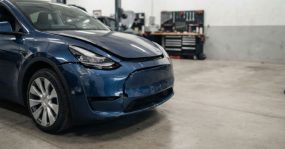
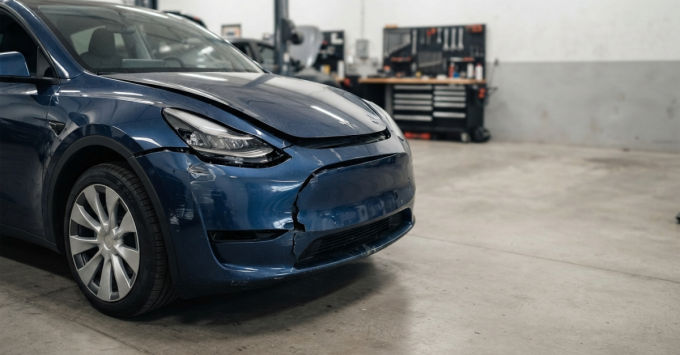
One of the biggest factors is the cost of repairing an EV after an accident.
Electric cars contain expensive batteries, sensors, cameras, and other technology. Some repairs also require special tools and technicians trained in EV systems.
The Insurance Information Institute notes that the cost of repairing and replacing vehicles is closely tied to Auto Insurance rates. In fact, vehicle parts and repair costs have shown a strong relationship with changes in insurance rates over time.
Consumer Reports also found that EVs can take longer to repair. One researcher cited by the publication explained that, “EVs are in the repair shop for longer than a gas-powered vehicle.” The reasons included supply problems and the need for more complex electronic work.
Battery Damage Can Be Expensive
The battery is one of the most valuable parts of an electric car. Depending on the vehicle, damage to the battery system can make a relatively minor-looking accident more expensive to repair.
The NAIC says battery damage can affect repair and total-loss decisions. It also notes that replacing an EV battery can sometimes cost less than repairing it, with the battery representing “up to 50% of the EV’s price tag.”
That is important to understand because Auto Insurance rates are based, in part, on the potential cost of a claim. If a damaged vehicle costs more to repair or replace, the insurer may account for that added risk when setting rates.
More Technology Can Mean More Repair Costs
Many newer vehicles, whether electric or gasoline-powered, have advanced technology. EVs often include features such as cameras, radar, sensors and driver-assistance systems.
Damage to one of these components may require more than simply replacing a damaged bumper or fender. The system may also need to be tested or recalibrated.
This is one reason a vehicle that appears to have relatively minor damage can sometimes result in a larger repair bill.
How to Save Money on EV Insurance
If you own an EV or are thinking about buying one, there are several steps that may help control your Auto Insurance costs.
- Compare several insurance companies.
Rates can vary significantly from one insurer to another for the same electric vehicle. The Consumer Financial Protection Bureau recommends comparing both price and coverage before buying a policy. So if you are in the market, let us know and we can compare premiums across many companies to make sure there are no surprises. - Ask about available discounts.
Depending on the insurer, discounts may be available for things such as multiple vehicles, safety equipment, a good driving record, or combining Auto Insurance with Homeowners Insurance. - Consider the deductible.
A higher collision or comprehensive deductible will reduce your premium. However, you should make sure you can afford the higher out-of-pocket cost if you have a claim. - Ask about usage-based insurance.
Some insurers offer programs that use driving data to help set premiums. These programs may consider factors such as mileage, hard braking, and rapid acceleration. - Check insurance costs before buying the vehicle.
Two EVs with similar prices may have very different insurance costs. Getting an Auto Insurance quote before buying can give you a better idea of the total cost of ownership. Again, give us a call, and we can compare premiums from many insurance companies.
EV Insurance Costs May Change
Electric vehicles are still a relatively new part of the U.S. vehicle market. As more EVs are sold, insurers are gaining more claims data. That may make it easier to estimate repair costs and risk.
There is also evidence that the insurance picture is not as simple as saying EVs are more expensive to insure. HLDI has found that EVs have had lower claim frequencies than comparable conventional vehicles, while some claim severity measures have been higher.
The bottom line is that the cost of insuring an electric car depends on much more than whether it has an electric motor. Before buying an EV, it can make sense to compare Auto Insurance quotes for the specific models you are considering. A few minutes of research could help you avoid an unexpected insurance bill after you bring your new vehicle home.